
Driving conditions can change in an instant. Wet roads, icy patches, or loose gravel can make a car’s tires lose grip and make it harder to stay in control. Modern vehicles are equipped with advanced technology like traction control to enhance safety and handling. That’s where traction control comes in.
This advanced technology helps drivers stay safe and maintain better handling in tricky situations.
What Is Traction Control?
A traction control system is a driver-assistance system that prevents wheels from spinning when you accelerate. Traction control systems are integrated with other safety features in modern vehicles, such as the abs system and electronic stability control, to enhance overall vehicle stability and safety. When the car’s sensors detect that one or more wheels are losing grip, the system operates automatically. This might involve reducing engine power by limiting throttle application, applying braking action to specific wheels, or both. The system uses various components, including sensors, a control unit, and actuators, to detect wheel slip and maintain stability. The control unit processes data from the sensors and manages the system’s response to maintain traction and control. The goal is simple: keep the vehicle stable and in control.
Essentially, traction control systems work to maintain road grip and prevent wheel spin, which is crucial for vehicle stability and safety.
Traction control is standard in most cars today and works quietly in the background. Most drivers only notice it when the traction control light appears on the dashboard.
How Traction Control Works
The system relies on wheel speed sensors, which are also part of the anti-lock braking system (ABS). These sensors monitor each wheel’s speed thousands of times per second. The abs module acts as the control unit for the ABS system, processing data from the sensors. If a sensor becomes a faulty wheel speed sensor, it can cause issues with system performance and trigger warning lights. Damaged or faulty wiring can also cause warning lights to appear on the dashboard.
If a wheel starts spinning faster than the others, which signals a loss of grip, the system monitors this condition and reacts immediately. The computer processes the data and activates the necessary response. Depending on the car, it may:
- Reduce engine power to prevent further wheel spin
- Apply brakes to the slipping wheel to shift power to wheels with grip
- Adjust throttle input for smoother control
When the system detects a problem, a signal is sent to the dashboard, and the traction control or ABS warning light is activated. If the warning light has turned on, or if the light blinks or a warning line appears, it means something is wrong and needs attention. These lights are important indicators of system status and should not be ignored.
In cars with advanced traction control, such as all-wheel-drive systems, the system may also send power between the front and rear axles to optimize traction.

Why Traction Control Matters
Traction control does more than prevent skids. It plays an important role in overall safety and vehicle performance.
- Improved stability: Helps you maintain control when accelerating on slippery surfaces, such as ice, snow, or wet pavement, by preventing the drive wheels from losing traction and slip.
- Enhanced safety: Reduces the risk of spinouts on wet or icy roads and helps maintain steering control during slippery conditions, especially in inclement weather or when the surface grip is low.
- Better efficiency: Allows smooth acceleration even in challenging circumstances, such as when cornering or when the front wheels or drive wheels begin to slip. The system can transfer power between wheels to maximize grip and help free a vehicle that is stuck.
- Extended tire life: Limits wheel spin, which keeps tires wearing evenly.
Traction control is especially beneficial for light trucks and other vehicles that may face difficult road conditions. For example, if you are driving in inclement weather and your drive wheels begin to slip on a slick surface, traction control will activate to help you maintain control and avoid getting stuck. If the traction control system fails, prompt repair is important to ensure continued safety and performance.
When the Traction Control Light Comes On
The traction control light usually turns on for one of two reasons:
- Active engagement: The system is working to prevent wheel spin, often for just a few seconds on slippery roads. In this case, the light blinks to show the system is activated and managing traction.
- Warning sign: If the light stays on, flashes, or a warning line appears on the dashboard after starting the car, it could signal that something is wrong. Often, the traction control light is activated alongside the ABS light, and both lights may be turned on to signal issues with the system. Common causes include a faulty sensor, such as faulty wheel speed sensors, damaged wiring, or a malfunction in the ABS module. If the light stays on, prompt repair is important to restore safety and proper function.
Ignoring persistent dashboard warning lights can reduce vehicle safety, especially in poor conditions. The car will still drive, but automatic traction management may not work properly.
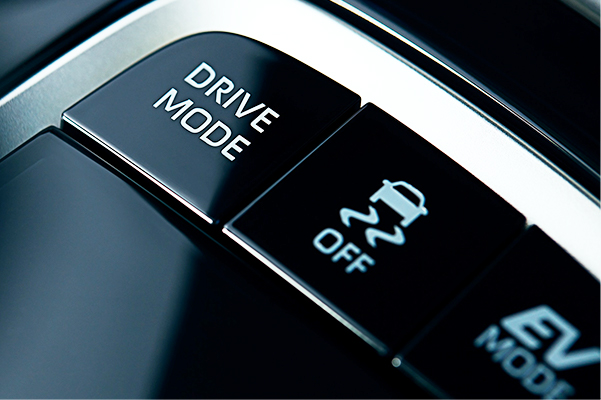
When You Might Turn Traction Control Off
While traction control improves safety, there are a few situations where turning it off can help:
- Getting stuck: In snow, mud, or sand, your vehicle may become stuck when the drive wheels lose grip on a slippery surface. In these circumstances, allowing the drive wheels to spin can help regain momentum and free the car.
- Performance driving: On a race track, experienced drivers may want full control of throttle and traction for better handling.
For everyday driving, it’s best to leave traction control on to protect both you and the car.
The Future of Traction Control
Traction control technology is becoming smarter and more adaptive. Modern systems use advanced components such as sensors, controllers, and actuators, working together with features like electronic stability control, torque vectoring, and all-wheel-drive management. The vehicle’s computer monitors driver behavior, road conditions, and GPS-based terrain data to anticipate and prevent loss of traction before it happens. In these advanced systems, power transfer between wheels is actively managed to maintain optimal traction and stability.
FAQ: Traction Control
What does the traction control light mean?
The traction control light is a signal that the system has been activated or there may be an issue. This light, along with other dashboard lights such as the ABS light, serves as a warning indicator for potential problems with your vehicle’s safety systems. Sometimes, the light blinks to show system activity, especially during slippery conditions. If the traction control light, ABS light, or a warning line on the dashboard stays on, a diagnostic check is recommended.
Can I drive with the traction control light on?
Yes, but it is safer to have the system checked soon. If the traction control light stays on, it could mean something is wrong with the system, such as a faulty sensor, damaged wiring, or issues with the ABS module. Faulty wheel speed sensors are a common cause. Driving without traction control increases the risk of skidding, so prompt repair is recommended to restore proper function and safety.
Is traction control the same as stability control?
No. The traction control system limits wheel spin during acceleration, while stability control helps manage the car’s direction during turns or slides. Traction control systems work alongside the ABS system to prevent wheelspin and loss of traction, especially during cornering, helping maintain steering control and overall vehicle stability.
Does traction control help in snow?
Yes, traction control helps maintain grip on snow or ice by preventing the drive wheels from slipping on a slippery surface. In slippery conditions, such as snow or ice, the system works to prevent the wheels from losing traction and slip. However, if your car is stuck, briefly turning traction control off can help the drive wheels regain grip and get moving, especially if you rock the vehicle or turn the front wheels to find better traction.
Will traction control wear out my brakes?
No. It only engages braking action briefly and intermittently to improve safety without causing extra wear. The system relies on several components, including the ABS system and ABS module, which work together to monitor wheel slip and apply braking action as needed. These components ensure that traction control operates efficiently without excessive brake wear.
Can traction control be added to an older car?
Usually not. Adding traction control to older cars is challenging because it requires specific components such as sensors, actuators, and a dedicated control unit to process data and manage the system. Modern traction control technology integrates these components with ABS and other braking hardware to enhance safety and stability. Proper wiring is also essential for connecting all parts and ensuring reliable operation. Retrofitting these systems into older vehicles is complex and often not practical due to the need for advanced technology and precise wiring integration.
Read more:
How to Improve Fuel Efficiency in Daily Commute
How to Parallel Park: Mastering Simple Techniques That Actually Work
How to Stop Condensation on Car Windows
